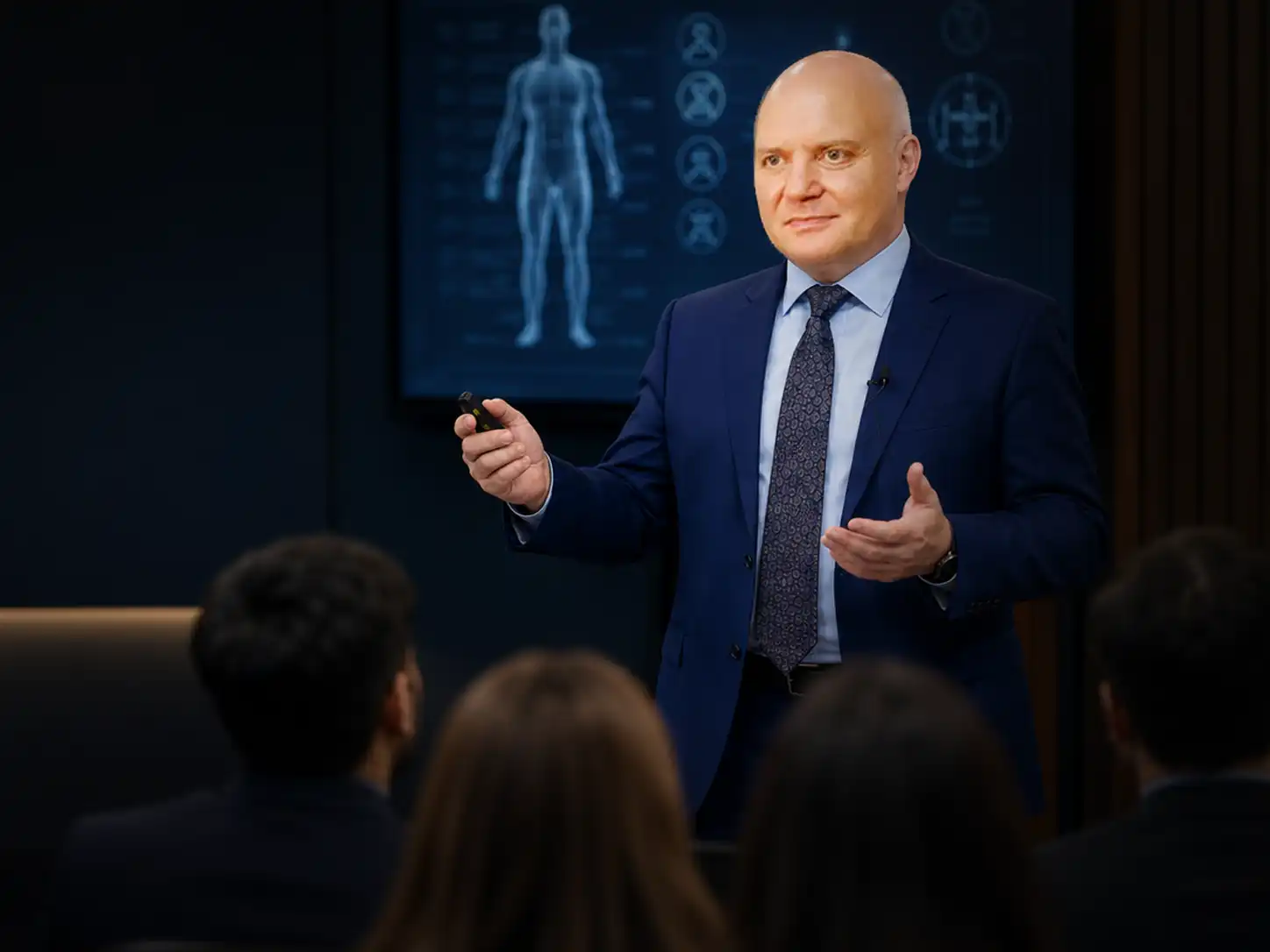
Intravenous nutrition therapy has moved from hospital wards into modern wellness practice. With that growth comes a responsibility: practitioners need solid training in the biochemistry, pharmacology and safety protocols behind every infusion.
Why the route matters
Delivering nutrients intravenously bypasses digestion, which changes both the potential benefit and the risk profile. Concentrations, compatibilities and infusion rates all require professional judgement - this is a clinical procedure, not a casual service.
Core competencies for safe practice
- Patient assessment and screening before any infusion
- Understanding of nutrient pharmacokinetics and interactions
- Aseptic technique and preparation standards
- Recognition and management of adverse reactions
- Clear documentation and follow-up
Education before expansion
Our academy programmes emphasize exactly these foundations. The goal is a professional community where IV nutrition is delivered by trained practitioners, in appropriate settings, with each protocol reviewed by licensed medical professionals.
Any IV therapy must be assessed and delivered by appropriately licensed professionals under applicable regulations.



0 Comments
Be the first to share your thoughts.
Leave a comment
Your email address is never published. Comments are reviewed before they appear.