Mass-produced medicines are designed for the average patient. Yet in daily clinical practice, many people are not average: they need a different strength, cannot tolerate a specific excipient, or require a dosage form that simply is not manufactured commercially.
What compounding actually means
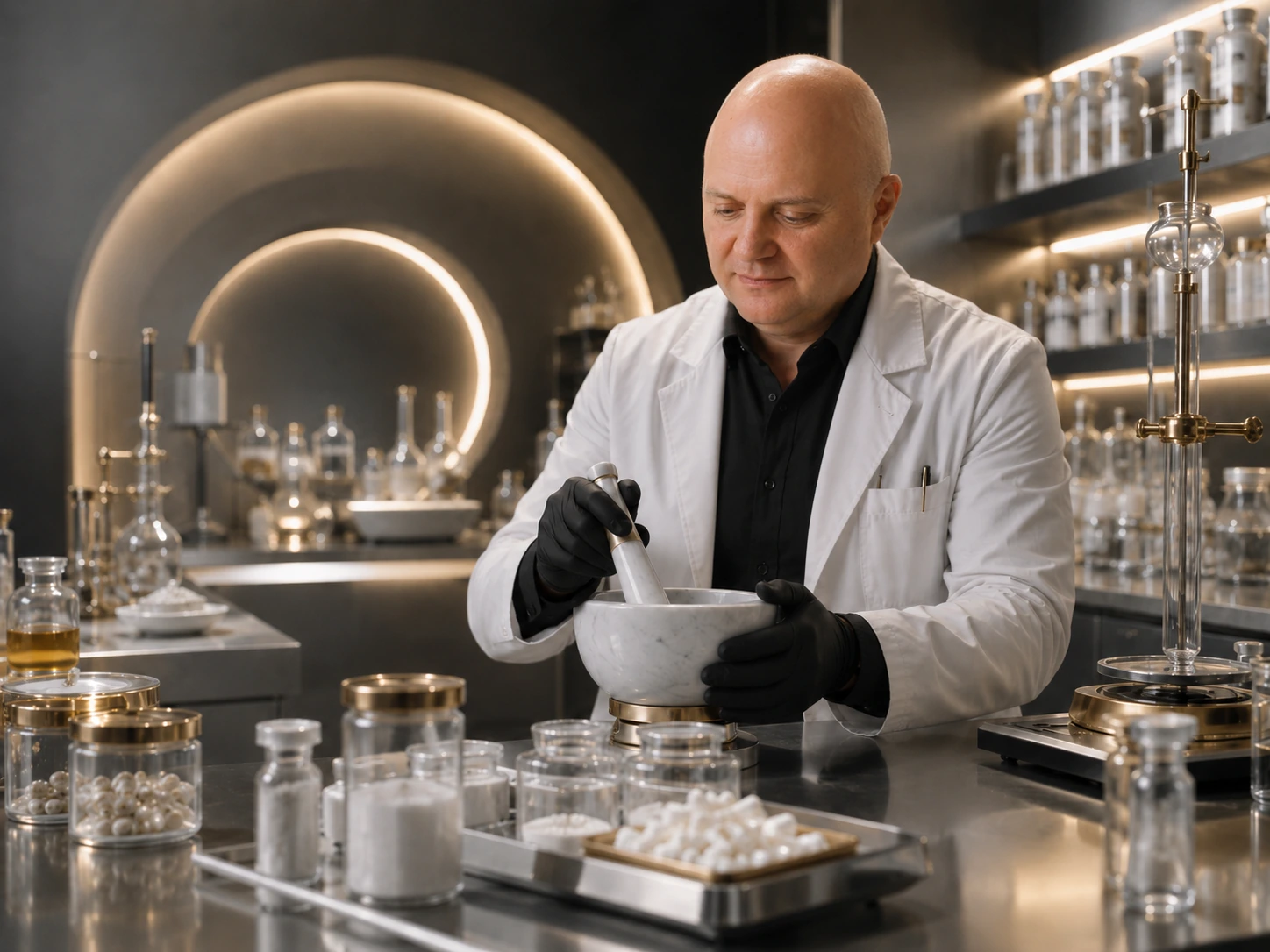
Pharmaceutical compounding is the preparation of a medicine for an individual patient, against a valid prescription, when a suitable commercial product is not available. It takes place in a licensed laboratory, under documented quality procedures, using pharmaceutical-grade ingredients.
When personalization matters
- Adjusted strengths for patients who need doses between commercial options
- Allergen-free preparations without a problematic dye, preservative or filler
- Alternative dosage forms such as topical preparations or oral liquids when swallowing tablets is difficult
- Combinations that simplify complex regimens under medical supervision
Quality is the foundation
Personalization never replaces rigour. Every preparation follows standardized formulas, ingredient traceability and documented verification steps. The question a compounding pharmacist asks is never only what can be made, but what is appropriate, stable and safe for this specific patient.
This is the philosophy at the heart of our work: medicine that responds to the individual, prepared with the discipline of pharmaceutical science.



0 Comments
Be the first to share your thoughts.
Leave a comment
Your email address is never published. Comments are reviewed before they appear.